Recruiting Women to Construction Work
10/22/2026

By Craig Tappel
It’s no secret that the construction industry is struggling to find workers. The labor shortage is well documented, with 349,000 workers still needed for 2026. What’s more, recent estimates for the demand for new workers in 2027 reached nearly half a million. 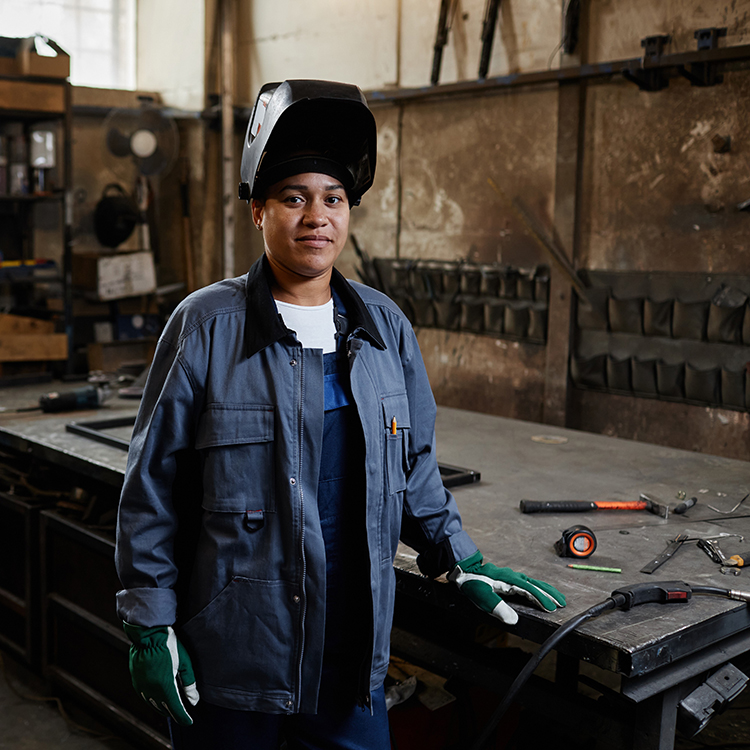 With so many positions going unfilled—and with project timelines at risk—the industry will have to step up its recruitment and retention techniques, especially in the female demographic.
Attracting women to a construction site can add important new skills and perspective, and will require new recruiting tactics, but that doesn’t mean it has to be complicated. Consider these five key actions construction leaders can take to attract and support female workers in construction:
1. Focus on Inclusion from the Top Down
A workplace is only ever as inclusive as its leadership. Gain buy-in from all leaders and invite them to collaborate on the development of appropriate workplace policies and procedures:
2. Focus on Pay Equity and Advancement
 Women in construction earn ninety-five percent of their male counterparts—a much smaller pay gap than in other industries. Yet, there is always room for improvement, and one way to draw women to a career in the industry is to showcase the opportunities available to them:
3. Focus on the Pipeline
To attract more women to construction careers, it’s helpful to get their attention as early as possible—preferably before they have begun careers in other industries:
4. Focus on the Whole Package
The stronger the benefits package, the more talent you can attract. Strong, comprehensive benefits packages include health insurance with flexible options:
5. Focus on Safety
Women are more likely than men to suffer ergonomic injuries across most industries, but appropriate personal protective equipment can help:
Work with your broker or benefits specialist to create a plan. Be sure that specialist is an expert in the construction industry, so they understand how to align benefits packages with risk management strategies and other industry-specific concerns—as well as what your organization needs to do to attract women to the team.
Craig Tappel is the chief sales officer for global construction insurance brokerage HUB International’s construction practice. His experience in construction began when he joined his father working in the family company after college. For ten years, they worked together as independent risk management consultants serving energy, industrial, and construction contractors. This led him to a role as the chief marketing officer for HUB Gulf South. Craig has also held leadership roles at other national brokers and served as a general manager for an MGA providing contractor package and commercial auto fleet coverage. He holds a number of professional designations including CPCU, CLU, AMIM, ARe, CPA, and CGMA.
Source:Construction Executive
Back To News |
||

|
||
|
© 2026 Small Business Exchange, Inc. |
||