Find Private Projects Before They Go to Bid
04/23/2026

By Maila Kim
Most contractors hear of private commercial projects at bid time, when relationships and specs are already set. Private projects move through concept, design, and permitting six to eighteen months before a bid ever goes out. The contractors winning consistently are finding opportunities at the planning stage.  Why Most Contractors Show Up Too Late Why Most Contractors Show Up Too Late
If you’re learning about a private commercial construction project when the bid invitation hits your inbox, you’re already behind.
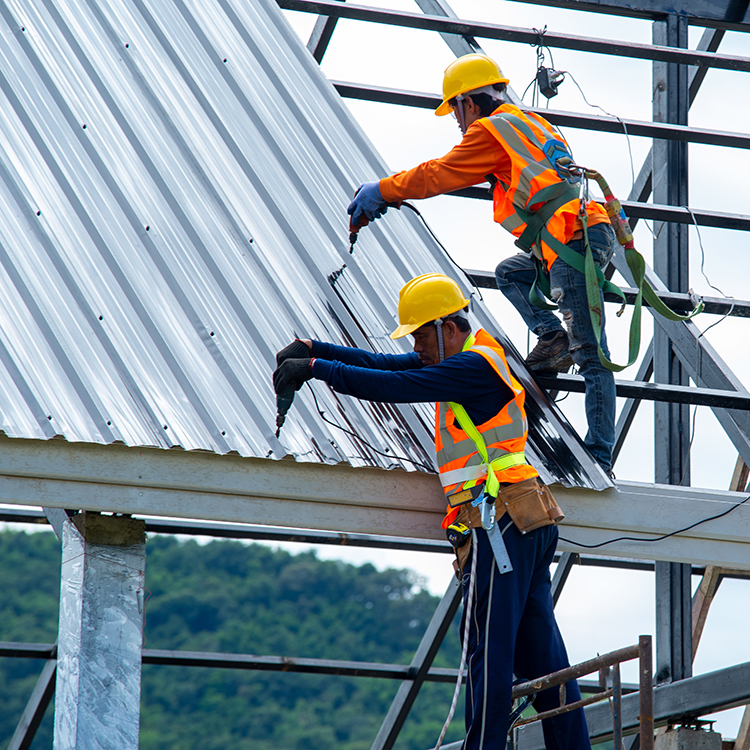 Private projects don’t follow the same public posting rules as public commercial work. There’s no mandatory advertisement period, no required notice, and no central bulletin board. The owner decides who gets invited, and the general contractor decides which subs make the list. Private projects don’t follow the same public posting rules as public commercial work. There’s no mandatory advertisement period, no required notice, and no central bulletin board. The owner decides who gets invited, and the general contractor decides which subs make the list.
By the time a project shows up on a bid board, chances are key relationships for the project have already been formed. If you’re not getting opportunities for private projects early in the game, you’re missing out on sixty percent of commercial projects in the United States.
Most contractors enter the game at the bidding stage, often too late to influence key decisions. By accessing projects during the planning or design phases, you can build relationships with architects and developers; position your company as a preferred contractor; and gain insights into project scope and requirements before they’re locked in.
Where Are Private Projects Listed?
Private projects, by definition, aren’t required to be publicly posted. But that doesn’t mean they’re invisible. Here are top sources for discovering private commercial construction projects early:
1. Construction Intelligence Platforms—Tools such as ConstructConnect Project Intelligence provide access to over 825,000 active projects with more than 100,000 private commercial projects published within the last twelve months. Using a data platform replaces time-consuming manual searches and offers verified leads at the planning and design stages; filters for project type, location, and scope; and real-time updates and alerts so you see changes as they happen.
2. Building Permit Databases—When a developer files for a commercial building permit, that’s a public record even if the project is privately funded. Permit filings signal new commercial construction activity weeks or months before a bid goes out. Monitoring your local county or municipal permit database is a free way to catch early leads.
3. Planning Commission Agendas—Large commercial developments often require zoning variances, conditional use permits, or planning commission approval before design is even finalized. These meetings and agendas are public records in most jurisdictions. A project appearing before a planning commission can signal an opportunity twelve or more months before bid.
4. Commercial Real Estate News—Commercial real estate publications, local business journals, and developer press releases often announce new projects at the concept or financing stage. These aren’t guaranteed leads, but they’re early indicators worth watching, especially for developers that consistently build in your region or sector.
5. Architect and Engineer Networks—The design team is the first team assembled on most private projects. Architects know about a project before general contractors do, sometimes a year in advance. Building relationships with architect and engineering firms is one of the most reliable ways to hear about projects at the earliest stage.
How Early Can You Actually Find Out About a Commercial Project?
For larger commercial projects, the planning-to-bid window can range anywhere from six to eighteen months. Here’s a rough breakdown of how that timeline unfolds, by project stage and approximate lead time before bid:
Concept and feasibility—twelve to twenty-four or more months
Schematic design—nine to eighteen months
Design development—six to twelve months
Permit filing—three to nine months
Construction documents—two to six months
Bid or intent to bid issued—zero to four weeks
The earlier you identify a private project, the more options you have. At the planning or design stage, you can:
By contrast, a contractor who shows up at bid stage is one of many competing on price alone.
How ConstructConnect Helps Find Private Commercial Projects Early
ConstructConnect’s approach to private project data is fundamentally different from a simple permit scrape or a general contractor-posted bid board.
1. Researcher-Verified Data—More than four hundred researchers actively track projects from permit to award, connecting directly with architects, plan holders, and private project owners to keep records accurate and up to date. This includes private projects that would never appear on a public posting.
2. Planning and Design Stage Visibility—Many projects in ConstructConnect appear during planning and design, months before bids are formally requested. This early-stage data typically includes project type, estimated value, location, owner information, and the design team, which is everything you need to reach out before the competition.
3. Modernized Search Filters—Project Intelligence’s Modernized Search includes at least twenty-three unique filters including trade/MasterFormat code, project stage, geography (including radius-based search), bid date, and project category. You can search specifically for projects at the planning stage, in your market, within your trade, and set up saved searches that alert you the moment new matches appear.
4. Watch Lists and Real-Time Alerts—Add key projects to your Watch List and get instant alerts when bid dates change, new addenda drop, or a new general contractor enters the picture. You can also follow specific companies, owners, architects, or developers to track their projects across multiple builds.
Conclusion
Finding commercial construction projects before they go to bid is no longer a game of chance. With the right tools and strategies, you can uncover opportunities early, build valuable relationships, and secure more projects. Platforms like ConstructConnect make it easier than ever to stay ahead of the competition and turn early insight into long-term growth.
To see how this works in practice, see Project Intelligence in action and learn how early-stage visibility can transform your pipeline.
Frequently Asked Questions (FAQs)
What’s the difference between a public and private construction project?
Public construction projects are funded by government entities and are legally required to be advertised for competitive bidding. Private commercial construction projects are funded by private owners or developers—they have no public posting requirement, and owners can award work however they choose. This makes private projects harder to find but often less competitive when you do find them early.
How do I find out who owns a commercial construction project?
Construction intelligence platforms like ConstructConnect Project Intelligence include owner information in project records, sourced by researchers who work directly with owners, architects, and public records. Permit filings and planning commission records are also public and typically list the property owner or developer.
Can I find projects that haven't been permitted yet?
Yes. Planning commission agendas, developer announcements, and researcher-sourced intelligence can surface projects before they even reach the permit stage. ConstructConnect Project Intelligence tracks projects from early concept through award, so some projects appear in the platform before a permit has been filed.
Why don't private projects show up on public bid boards?
Private construction projects have no legal requirement to solicit bids publicly. The owner determines the procurement process, which may mean negotiated contracts, selective bidding with invited general contractors only, or design-build delivery where the contractor is involved from the design phase.
Maila Kim is a Content Marketing Manager at ConstructConnect®, specializing in content strategy and marketing for Takeoff and Estimating Products, including On-Screen Takeoff®, PlanSwift®, and QuoteSoft®. With more than a decade of experience as a writer and creative marketer, she brings a fresh, engaging perspective to the preconstruction industry. Through her content, Maila helps construction professionals stay informed and make the most of the tools they rely on daily.
Source:ConstructConnect
Back To News |
||

|
||
|
© 2026 Small Business Exchange, Inc. |
||